Acupuncture
By working with the body's own natural regulatory mechanisms, acupuncture helps relieve pain, encourage relaxation and support physical and emotional wellbeing.
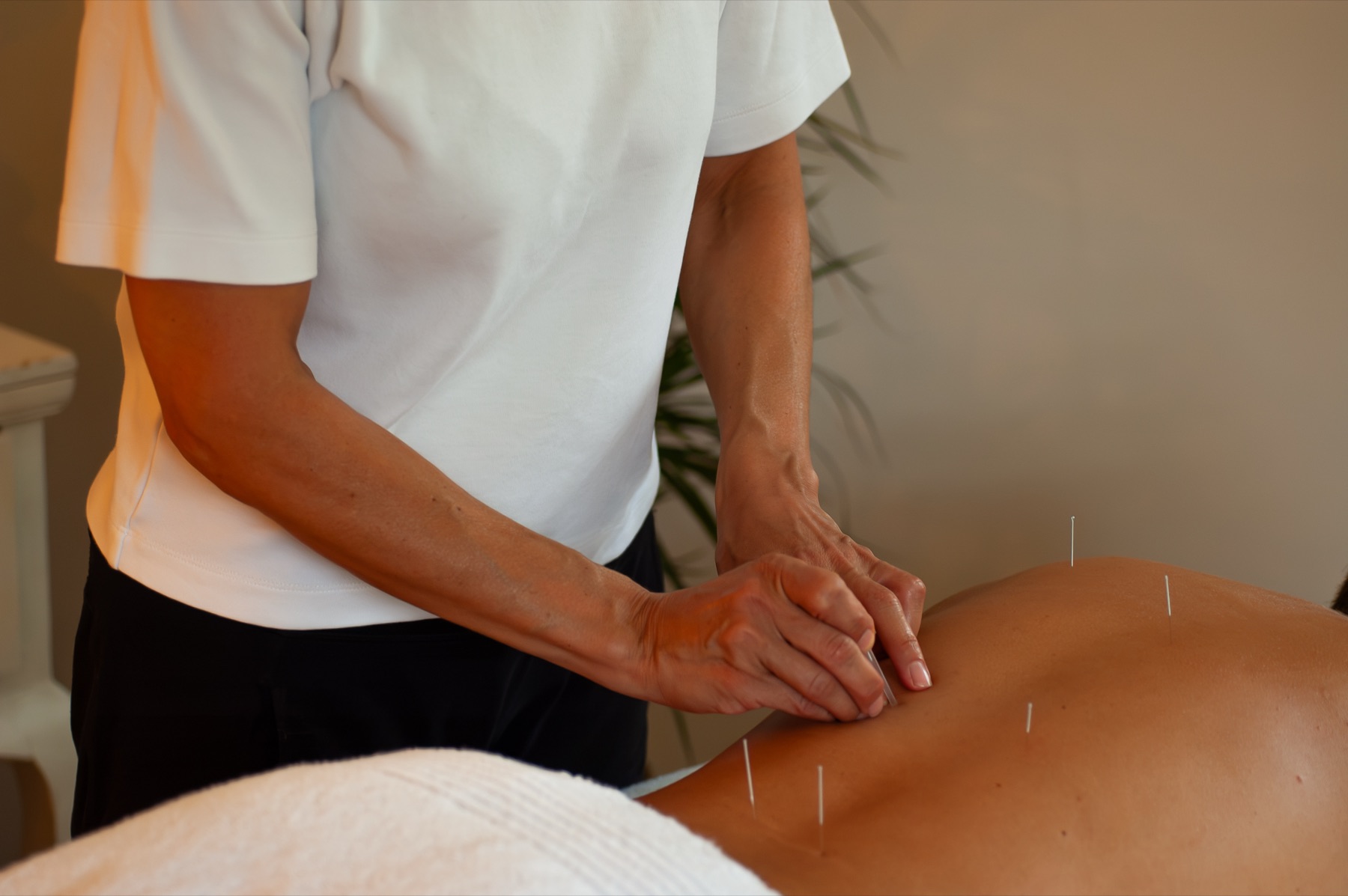
Acupuncture for Pain
Acupuncture has been extensively researched for pain management and is recognised in clinical guidance from both NICE and the World Health Organization.
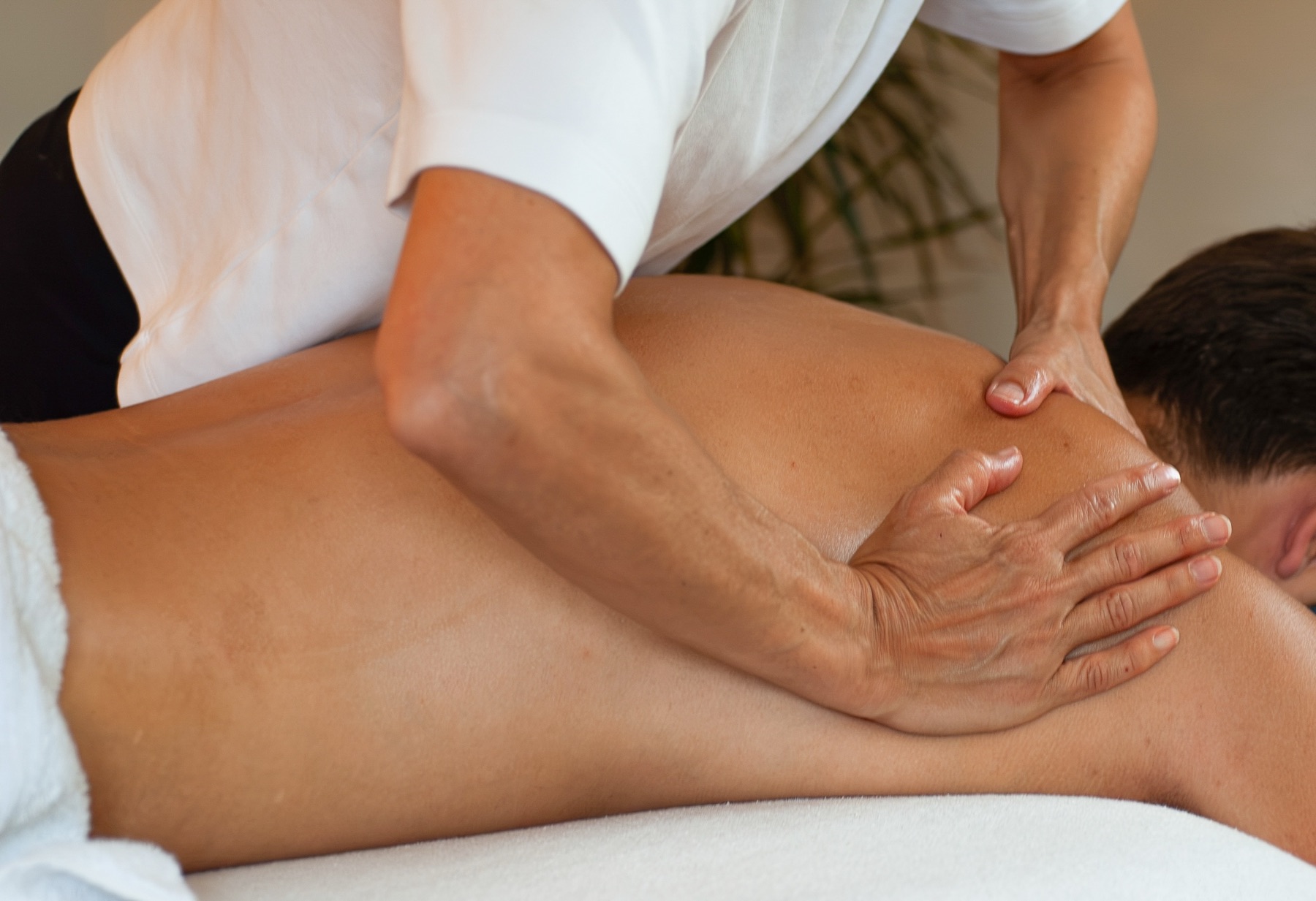
Musculoskeletal Pain
Musculoskeletal pain is one of the most common reasons people first try acupuncture. Alice regularly treats both recent injuries and longstanding problems, including back and neck pain, knee and hip pain, tennis elbow, sciatica and muscular tension.
As a qualified sports and remedial massage therapist, Alice often combines acupuncture with massage, cupping and other soft tissue techniques, tailoring each treatment to the individual.
Treatment aims to relieve pain, ease muscular tension, improve movement and support the body's natural recovery processes. By looking beyond the immediate area of discomfort, Alice also considers the wider factors that may be contributing to pain or recurring injuries.
How does acupuncture work?Complex and Persistent Pain
Living with persistent pain can be exhausting, affecting not only how we move and feel physically, but also our sleep, energy, mood and overall quality of life.
Acupuncture can offer support for people living with long-term pain conditions, including arthritis, fibromyalgia, migraines and persistent musculoskeletal pain.
Rather than focusing solely on where the pain is felt, Alice takes time to understand the wider picture, exploring both the physical and emotional factors that may be contributing to your symptoms.
Drawing on both her Western healthcare background and her training in traditional Chinese medicine, Alice approaches pain from different perspectives, recognising that persistent pain is rarely straightforward and that every person's experience is unique.
Treatment aims to ease discomfort, support the nervous system, improve day-to-day function and create a greater sense of wellbeing, offering an opportunity for the body to relax and for symptoms to become more manageable.
As persistent pain often develops over months or years, a longer course of treatment may be needed than for a recent injury. Treatment is always tailored to the individual, with progress reviewed along the way.
Acupuncture for Anxiety
A gentle, whole-person approach to supporting emotional wellbeing.
Anxiety is more than simply feeling worried. It can affect the whole body, leaving us feeling constantly on edge, overwhelmed or unable to switch off. For some, it manifests as racing thoughts or persistent worry; for others, it brings physical symptoms such as palpitations, muscular tension, digestive difficulties, disrupted sleep or exhaustion.
Acupuncture offers a gentle, holistic approach to managing anxiety, recognising the close relationship between our physical and emotional wellbeing. Rather than focusing solely on individual symptoms, treatment considers the person as a whole, with the aim of supporting relaxation, emotional balance and the body's ability to regulate its response to stress.
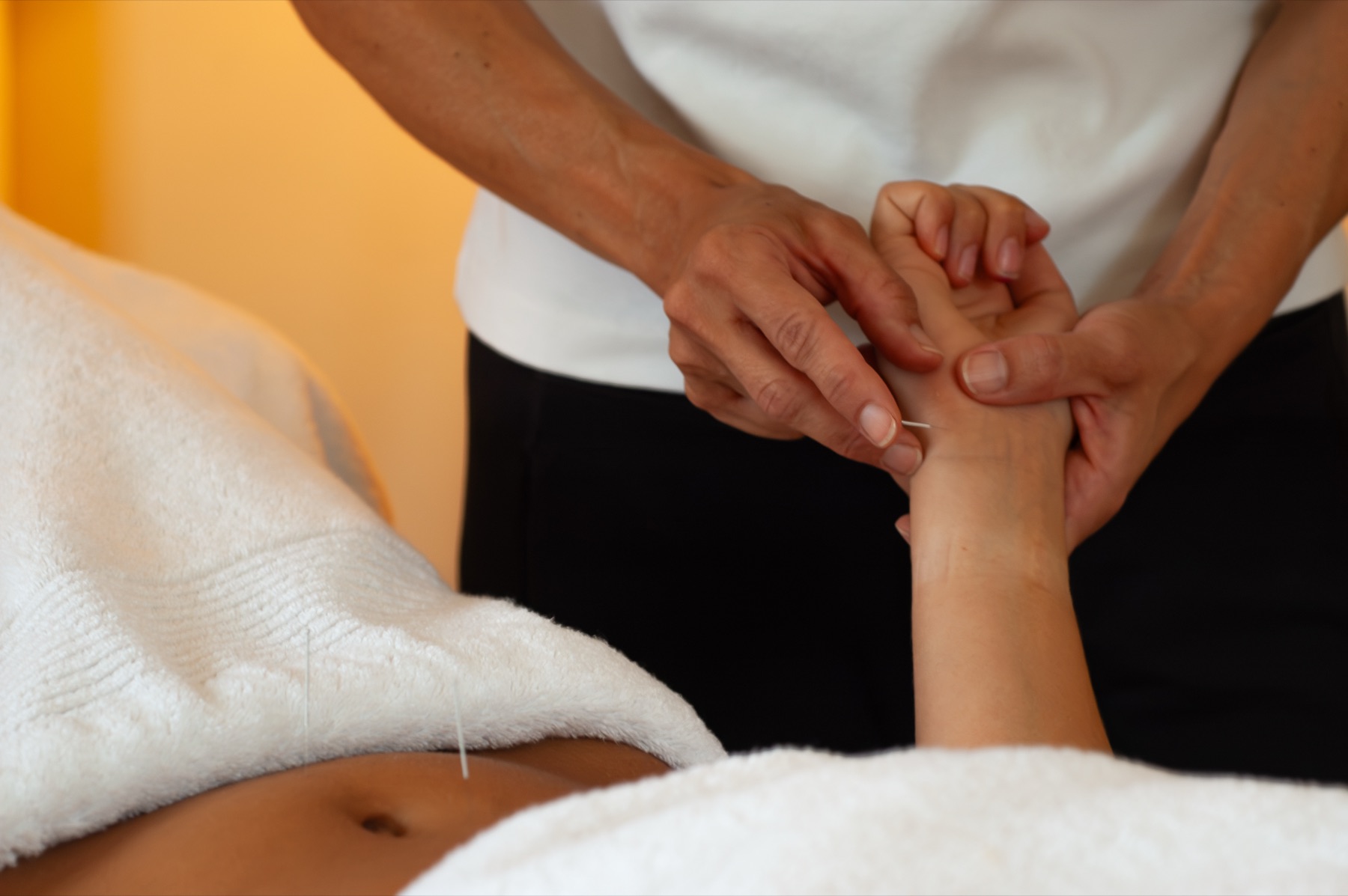
How can acupuncture help?
During her four-year acupuncture degree, Alice undertook an extensive critical review of clinical research investigating acupuncture for chronic anxiety disorders. Her findings highlighted encouraging improvements in anxiety symptoms.
Research suggests that acupuncture can:
- Help reduce the severity of anxiety symptoms and support a greater sense of calm.
- Provide an opportunity for relaxation and relief from the physical manifestations of stress.
- Potentially improve sleep quality in people experiencing anxiety-related sleep disturbances.
- Support people experiencing the physical and emotional demands of prolonged stress.
Treating the whole person
In traditional Chinese medicine, anxiety is not viewed as a single, uniform condition. Two people experiencing similar symptoms may have very different underlying patterns of imbalance.
Treatment is therefore tailored to each individual, taking into account their emotional wellbeing, physical symptoms, medical history, sleep, lifestyle and overall health.
Alice's background in psychology and her experience working within the NHS complement her training in traditional acupuncture, bringing together an understanding of both Western healthcare and Chinese medicine.
Appointments provide time to talk, reflect and feel heard. There is no expectation to share anything you are uncomfortable discussing. For some, this opportunity for conversation is valuable; for others, simply having a quiet space to rest and receive treatment is equally welcome.
Alice also offers a deeply relaxing facial and head massage for both adults and teens that can be adapted to include acupressure points to relax the body and mind.
Acupuncture for Cancer Care
Supporting wellbeing during cancer treatment, recovery and beyond.
If you would like to explore how acupuncture can support you during your cancer journey, you are warmly invited to book a free 15-minute consultation or arrange an initial appointment at The Farmhouse Retreat.
Alternatively, Alice offers free acupuncture treatments every Wednesday at the Pickering Cancer Drop-In Centre in Tunbridge Wells.
To book an appointment at The Pickering Centre, please contact the team through their website.
A cancer diagnosis can be life-changing, affecting not only physical health but also emotional and psychological wellbeing. The treatments themselves, whilst essential, can bring a range of challenging side effects, some of which may continue long after treatment has finished.
Acupuncture offers a gentle, holistic approach to supporting people through their cancer journey. Working alongside conventional medical care, it can help manage some of the symptoms and side effects of cancer treatment, with the aim of improving comfort, wellbeing and quality of life.
How can acupuncture help?
Research suggests that acupuncture can help with the following cancer and treatment-related symptoms:
- Hot flushes and night sweats associated with hormonal cancer treatments.
- Pain and discomfort, including joint and muscle pain associated with cancer treatments.
- Nausea and vomiting associated with chemotherapy.
- Anxiety, stress and emotional distress experienced during and after cancer treatment.
- Sleep difficulties and fatigue, helping manage the physical and emotional demands of treatment.
- Peripheral neuropathy, including tingling, numbness and discomfort following chemotherapy.

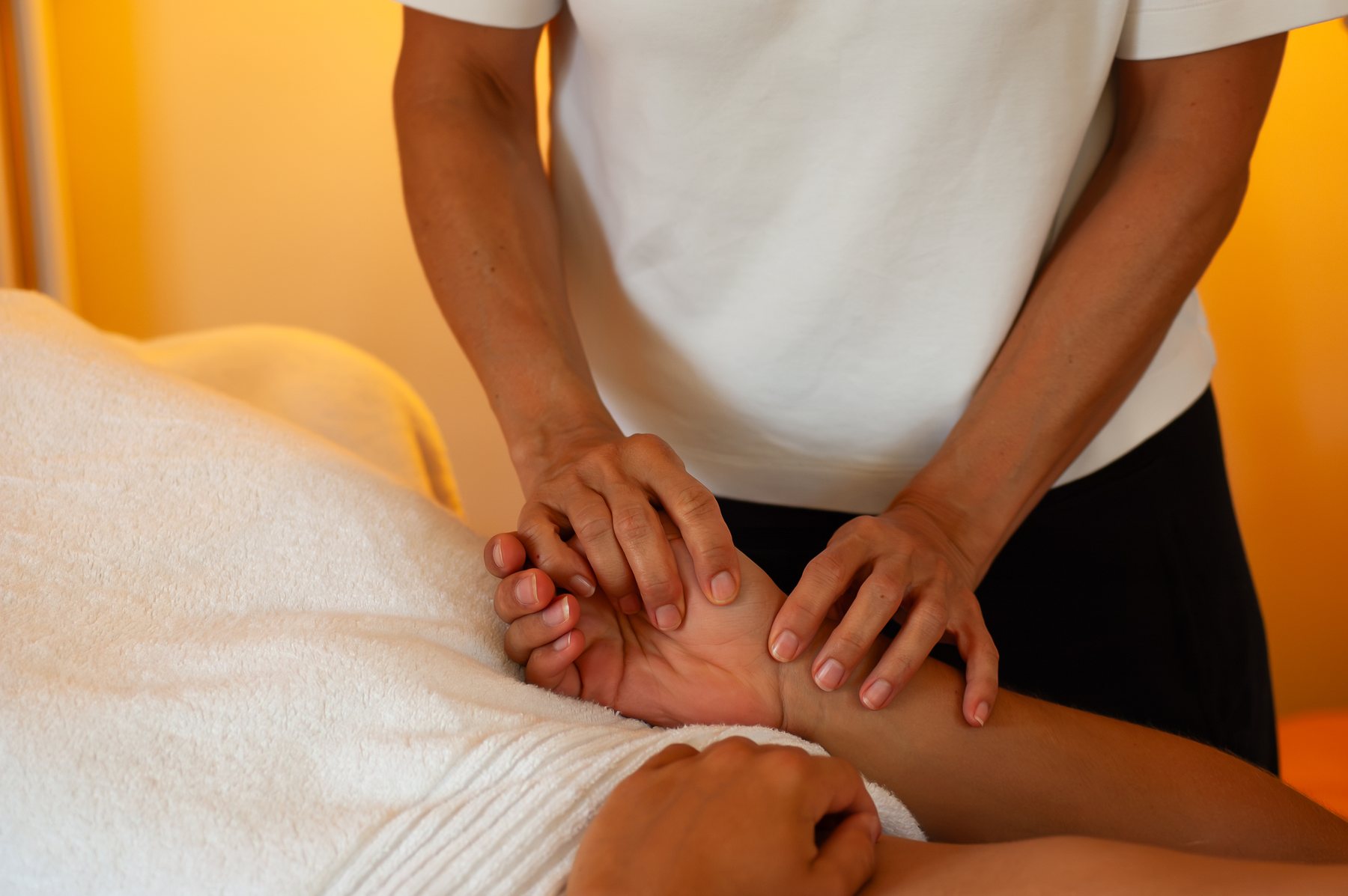
Treating the whole person
Traditional acupuncture considers the close relationship between physical and emotional health. Rather than focusing solely on individual symptoms, each treatment is tailored to the person, taking into account their medical history, current cancer treatment, symptoms and overall wellbeing.
For many people, acupuncture also offers something particularly valuable during a difficult and often overwhelming time: a quiet, supportive space to feel heard and receive care that is focused entirely on them.
Acupuncture alongside cancer treatment
Acupuncture is a complementary therapy, that can be safely used alongside conventional oncology care during chemotherapy, radiotherapy, hormonal treatment, recovery or palliative care.
Treatments are carefully adapted to your individual circumstances, following specialist safety guidance for acupuncture in cancer care.
The aim is simple: to help people feel as well as possible, wherever they are on their cancer journey.
Other
Other conditions Alice regularly treats in clinic include:
- Digestive discomfort
- Menstrual disorders
- Menopausal symptoms
- Chronic illness such as fatigue
- Sleep issues
To find out if acupuncture could help you, please book a free consultation.
Unsure? Find out more